

Okay, so check this out—I’ve used a handful of crypto wallets over the years. Really. Some were clunky. Some lost me tokens (long story). Phantom stood out fast. It felt cleaner, quicker, and more aligned with how people actually browse the web. My instinct said: this might be the one for Solana users. Then I dug deeper and found a bunch of practical reasons to stick with it.
Short version: if you want a browser extension that plays nicely with Solana dApps and doesn’t make you fight for every click, Phantom is worth trying. It’s not perfect, but it solves a lot of everyday friction. Here’s what I learned from real use—installing, security tradeoffs, tips, and common gotchas that people overlook.
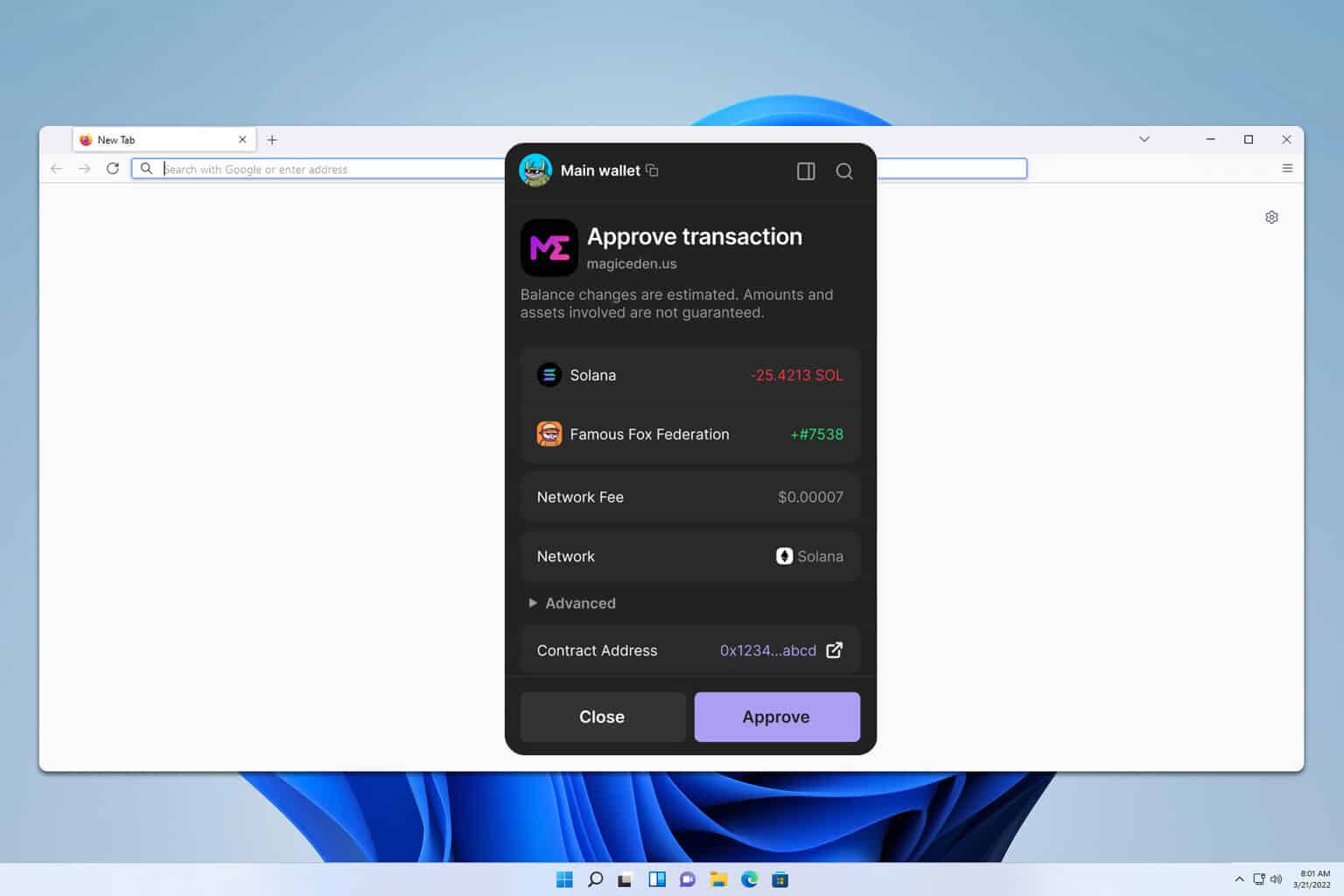
First impressions — install and setup
Installing the extension is straightforward. Click the store button, add the extension, and you’re mostly done. The UI asks you to create a new wallet or import an existing key. Simple prompts. No nonsense. The onboarding feels…friendly? Yeah, that’s the word. It doesn’t bury you in jargon, which is nice when you just want to swap a token or sign a transaction.
One thing I always tell friends: write down your seed phrase and store it offline. Seriously. Paper, a metal backup, whatever works for you. Phantom makes it clear, but people still skip it. Don’t be those people.
Why Phantom fits the Solana dApp world
Solana dApps expect speed. Transactions are cheap and fast. Your wallet should be the same. Phantom integrates with the typical Solana connection APIs, so connecting to marketplaces, games, and DeFi apps is usually one click. No extra middleman. No weird pop-ups that block a whole tab.
On the technical side, Phantom supports SPL tokens, NFT displays, staking, and custom RPC endpoints. For developers and power users, that last bit is a lifesaver. Want to test against a devnet or a local node? You can.
On the other hand, if you want a multi-chain experience that includes Ethereum and Layer 2s, Phantom historically focused on Solana first. They’ve been expanding, though. I’m biased toward Solana, so that part doesn’t bug me as much, but it might matter if you keep assets across chains.
Security and privacy — the tradeoffs
Be honest: browser extensions are inherently more exposed than hardware wallets. They sit in your browser process. That’s not doom and gloom—it’s just reality. Phantom takes sensible precautions: permission prompts, transaction previews, and optional passphrase locking. Those are good. But you still need to practice basic hygiene.
Use a strong extension password. Keep your seed offline. Consider a hardware wallet for large balances. Phantom supports Ledger integration, which I started using after a particularly ugly phishing attempt (oh, and by the way—phishing is getting craftier every month).
One privacy note: connecting to dApps reveals your wallet address and on‑chain activity. That’s how blockchains work. If privacy matters to you, plan accordingly. Use separate accounts for trading vs. gaming. It’s not glamorous, but it’s practical.
Day-to-day tips and small wins
Here are some little things that improved my experience.
- Pin the extension to the toolbar so you stop hunting for it.
- Enable auto‑lock after inactivity if you share the computer.
- Use separate accounts within Phantom for NFTs vs. tokens. Cleaner bookkeeping.
- Check the network RPC if transactions hang. Switching to a different, reliable RPC often fixes weird failures.
Also, if an app asks for an unusually large or recurring permission, pause. Read the details. I once signed something that looked harmless and later realized it allowed an approval I didn’t intend. My instinct said “stop”—I listened. Good move.
How to get Phantom (download and extension note)
Want to try it? You can grab the browser extension directly; for a reliable starting point use the official source. One easy place to start is the phantom wallet link I use when recommending the extension. Install from there, follow the setup prompts, and you’ll be connected to Solana in minutes.
Common problems and quick fixes
Transactions stuck? First check your RPC. Then check your wallet balance (you need SOL for fees). If a site won’t connect, try clearing site data or re-authorizing the connection. And if you suspect a compromised site, revoke approvals and move assets (yes, it’s a pain, but better safe).
Another frequent hiccup: NFTs not showing. Often it’s metadata indexing delays, not the wallet. Wait a bit, refresh the dApp, or check a block explorer. Sometimes somethin’ else is at play, like a malformed metadata file, and then you’re into the weeds.
FAQ
Is Phantom safe?
Reasonably. It’s safer than many extensions because of its security features and Ledger support. But like any hot wallet, it’s vulnerable to phishing and browser exploits. For large holdings, consider hardware cold storage.
Can I use Phantom with my Ledger?
Yes. Phantom supports Ledger devices. Pairing gives you the convenience of the extension with the added security of a hardware signer.
Where do I download the extension?
You can install the browser extension from the official phantom wallet page here: phantom wallet. Follow the steps to add the extension and secure your seed phrase.
Look, I’m not saying Phantom is the only wallet you should ever use. On one hand, it’s polished and fast; though actually, no product is perfect. On the other hand, it fits the Solana ecosystem better than most alternatives, especially for everyday use. If you’re curious, give it a spin but stay cautious. Back up seeds. Use hardware for big amounts. And keep learning—crypto changes fast, and so do the risks.
Fast Phantom wallet access – https://phantomr.at/ – instant connection to Solana dApps.
Cross-chain liquidity protocol for secure DeFi asset transfers – Relay Bridge – Move tokens fast with low fees and guaranteed finality.